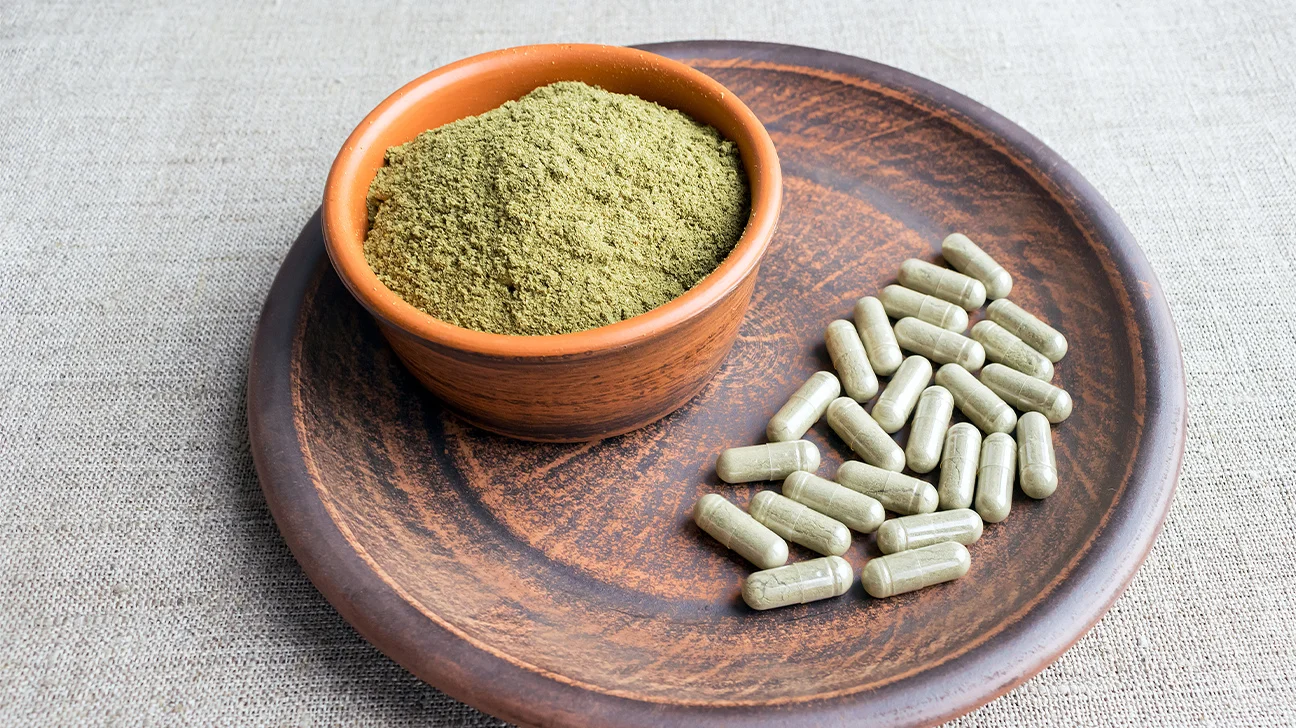
Understanding how kratom for pain relief works begins with recognizing its traditional usage spanning centuries. Indigenous communities have long relied on this botanical solution to address various types of physical discomfort, from mild, occasional aches to more persistent conditions.
Traditional wisdom meets modern understanding
Ancient healing practices often provide insights into effective natural remedies. Modern research continues to validate many of these traditional applications, helping us understand why certain botanicals have endured as trusted solutions throughout generations. This convergence of historical knowledge and contemporary science offers valuable perspectives on natural pain relief options.
Body’s response system
The human body possesses remarkable abilities to manage discomfort through its internal mechanisms. Natural solutions often work by supporting and enhancing these inherent capabilities rather than overriding them. This cooperative approach helps maintain the body’s natural balance while providing needed relief.
Strain selection importance
Different varieties offer distinct characteristics that may better suit particular situations. Red strains traditionally provide the most substantial comfort, while green varieties balance relief with energy. White strains often focus more on mood enhancement while offering mild soothing properties.
Timing and effectiveness
Unlike some alternatives that require weeks to show results, many users report a relatively quick onset of effects. This timely response makes it particularly valuable for those seeking prompt comfort. The duration of the impact typically spans several hours, allowing for consistent relief when used appropriately.
Integration with lifestyle
Incorporating natural solutions into daily routines requires thoughtful planning and attention to individual needs. Factors such as work schedules, activity levels, and sleep patterns all influence optimal usage patterns. Creating a balanced approach helps maximize benefits while maintaining normal daily functions.
Supporting healthy habits
Natural pain management works best when combined with other healthy lifestyle practices. An effective body is regularly exercised, properly nourished, has adequate sleep, and manages stress well. These complementary approaches create a comprehensive strategy for managing chronic discomfort.
Professional guidance
While natural options offer significant benefits, working with healthcare providers ensures safe and effective implementation. Professional guidance helps develop appropriate strategies while monitoring progress and making necessary adjustments. This collaborative approach supports optimal outcomes while maintaining safety.
Community experience
Many individuals share similar journeys in seeking natural solutions for chronic discomfort. Learning from others’ experiences while recognizing individual differences helps create realistic expectations and practical approaches. Community knowledge often provides valuable insights into effective usage patterns.
Maintaining balance
Finding the right balance between relief and daily function remains crucial. Natural solutions should enhance the quality of life without creating undue restrictions or limitations. This balanced approach supports long-term success while maintaining normal activities and responsibilities.
Movement and activity
Physical activity plays a crucial role in managing chronic discomfort. Natural solutions often work best when combined with appropriate movement and exercise. This combination helps maintain flexibility and strength while supporting overall comfort levels.
Stress management
Mental and emotional factors significantly influence physical discomfort. Natural approaches often help address both the physical and psychological aspects of chronic pain. This comprehensive effect supports overall well-being while providing needed relief.
Natural solutions offer valuable options for those managing chronic discomfort. Understanding proper usage, recognizing individual factors, and maintaining balanced approaches help ensure optimal results. Working with healthcare providers while learning from community experiences supports the effective implementation of natural pain management strategies.
