A heart attack is one of the most critical medical emergencies, and knowing how to respond quickly and effectively can make all the difference. When someone is experiencing a heart attack, every second counts. Immediate actions can help minimize damage to the heart, increase the chances of survival, and prevent further complications. Understanding how to handle the situation until professional help arrives is essential. This guide provides clear, step-by-step instructions on how to respond to a suspected heart attack.
1. Recognizing the Symptoms of a Heart Attack
The first step in handling a heart attack is recognizing the symptoms. These can vary from person to person, but some common signs include:
- Chest pain or discomfort: A feeling of pressure, tightness, squeezing, or fullness in the chest is one of the most prominent symptoms.
- Pain in other areas: The discomfort may radiate to the arms (especially the left arm), back, neck, jaw, or stomach.
- Shortness of breath: The person may feel out of breath or unable to take a full breath, even when at rest.
- Sweating: Excessive sweating, especially if it is cold and clammy, is another common symptom.
- Nausea or lightheadedness: Some people may feel nauseous or faint during a heart attack.
- Fatigue: Unexplained fatigue or feeling extremely tired, even without exertion, can also signal a heart attack.
While chest pain is the hallmark symptom, not everyone experiences it in the same way. Women, for example, may have subtler signs such as nausea or dizziness. If you suspect someone is having a heart attack, it’s crucial to act quickly, even if you’re uncertain.
2. Call Emergency Services Immediately
The first and most important step is to call for professional medical help. Dial your local emergency number right away, explaining the situation and describing the symptoms. The sooner emergency services are notified, the sooner they can dispatch an ambulance and provide necessary care.
If you’re unsure whether it’s a heart attack or not, it’s always better to err on the side of caution. It’s essential to receive professional care as quickly as possible.
3. Help the Person Stay Calm and Resting
If the person is conscious and alert, it is crucial to help them stay as calm and still as possible. Panic can exacerbate the situation, increasing heart rate and blood pressure, which may worsen the symptoms. Reassure them that help is on the way and encourage them to take slow, deep breaths.
Advise the person to sit down and remain still. They should avoid any physical exertion, as this can strain the heart further.
4. Administer Aspirin (If Appropriate)
If the person is conscious and able to swallow, giving them aspirin can be a helpful step in reducing the severity of the heart attack. Aspirin helps to thin the blood, preventing further clotting in the arteries. This can reduce the damage caused by the heart attack.
However, it is important to ensure that the person has no allergies to aspirin or any contraindications such as bleeding disorders. If the person is unsure or unable to swallow, it’s best to skip this step and wait for emergency personnel to arrive.
5. Perform CPR if the Person Becomes Unconscious
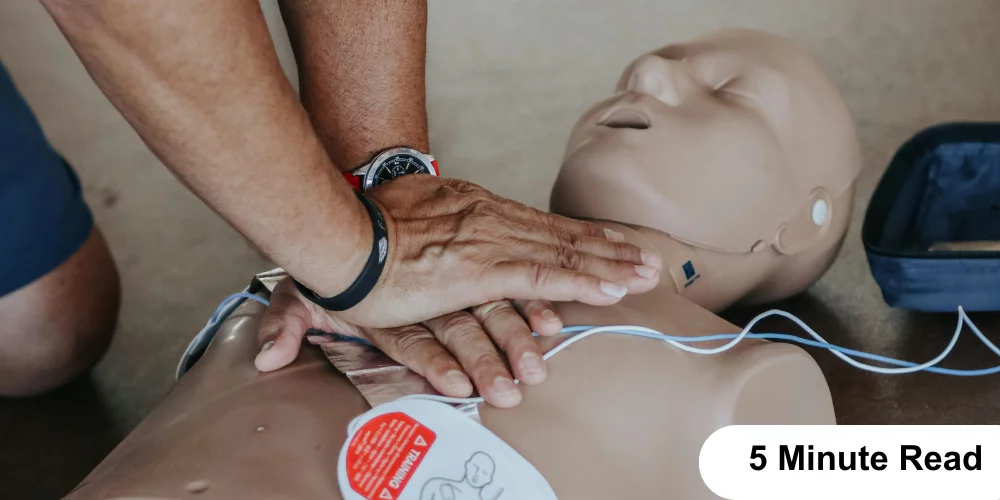
If the person becomes unconscious or stops breathing, immediate action is necessary. In this case, begin performing CPR (cardiopulmonary resuscitation) until help arrives. Here’s how to perform CPR:
- Place the person on their back: Lay the person flat on their back on a firm surface.
- Chest compressions:
- Kneel down beside the person and place your hands on the center of their chest, one on top of the other.
- Push hard and fast, allowing the chest to rise fully between compressions. Aim for a rate of about 100-120 compressions per minute, or roughly the tempo of the song “Stayin’ Alive.”
- Press down about 2 inches deep for each compression.
- Rescue breaths:
- After 30 compressions, tilt the person’s head back to open the airway.
- Pinch their nose, cover their mouth with yours, and give two rescue breaths, ensuring their chest rises.
- Repeat the cycle of 30 compressions followed by 2 rescue breaths until help arrives or the person begins breathing on their own.
If you’re unable or unwilling to provide rescue breaths, continue chest compressions alone. High-quality chest compressions are the most critical aspect of CPR.
6. Monitor Vital Signs
While waiting for medical help, monitor the person’s vital signs. If they are still conscious, ask them how they are feeling, and watch for any changes. If they become less responsive, their breathing slows, or they lose consciousness, continue performing CPR as necessary. Keep in mind that even if they become unconscious, their heart could still be beating, and they may still benefit from the chest compressions.
7. Be Prepared to Provide Information to Emergency Personnel
When emergency medical services arrive, be prepared to provide them with essential information, including:
- The person’s symptoms and the timeline of events leading up to the suspected heart attack.
- Whether aspirin was administered and when it was given.
- Any other relevant medical history, such as heart disease, diabetes, or high blood pressure.
- The actions you have already taken, including whether CPR was performed.
This information will help medical professionals deliver the most appropriate care as quickly as possible.
8. Prevent Future Heart Attacks
While this section isn’t directly related to handling a heart attack in the moment, it’s important to note that long-term prevention of heart attacks can significantly reduce the risk of future incidents. A healthy lifestyle—including regular exercise, a balanced diet, avoiding smoking, and managing stress—can greatly lower the chances of heart disease.
Additionally, regular health check-ups, monitoring blood pressure and cholesterol levels, and following your doctor’s recommendations can help prevent heart attacks from occurring in the first place.
9. Know the Risk Factors
Understanding the risk factors for heart disease can help you recognize individuals who may be more susceptible to heart attacks. Some common risk factors include:
- Age: The risk increases with age, particularly after 45 for men and 55 for women.
- Family history: A family history of heart disease or heart attacks can increase your risk.
- High blood pressure: Hypertension can damage blood vessels and increase the likelihood of a heart attack.
- High cholesterol: Elevated cholesterol levels contribute to the buildup of plaque in the arteries, which can lead to a blockage.
- Diabetes: Having diabetes increases the risk of heart disease, as high blood sugar can damage blood vessels over time.
- Smoking: Smoking is a significant risk factor, as it contributes to the buildup of plaque in the arteries and raises blood pressure.
- Obesity: Being overweight or obese is closely linked to other risk factors, such as high blood pressure and high cholesterol.
10. Conclusion
Dealing with a heart attack is a daunting and critical situation, but knowing the right steps to take can save a life. Recognizing the symptoms, staying calm, administering aspirin when appropriate, and providing CPR if necessary are all essential actions. With prompt and appropriate care, the chances of survival are greatly increased. While you can never fully predict when a heart attack might occur, being prepared can make a significant difference in someone’s life during an emergency.
