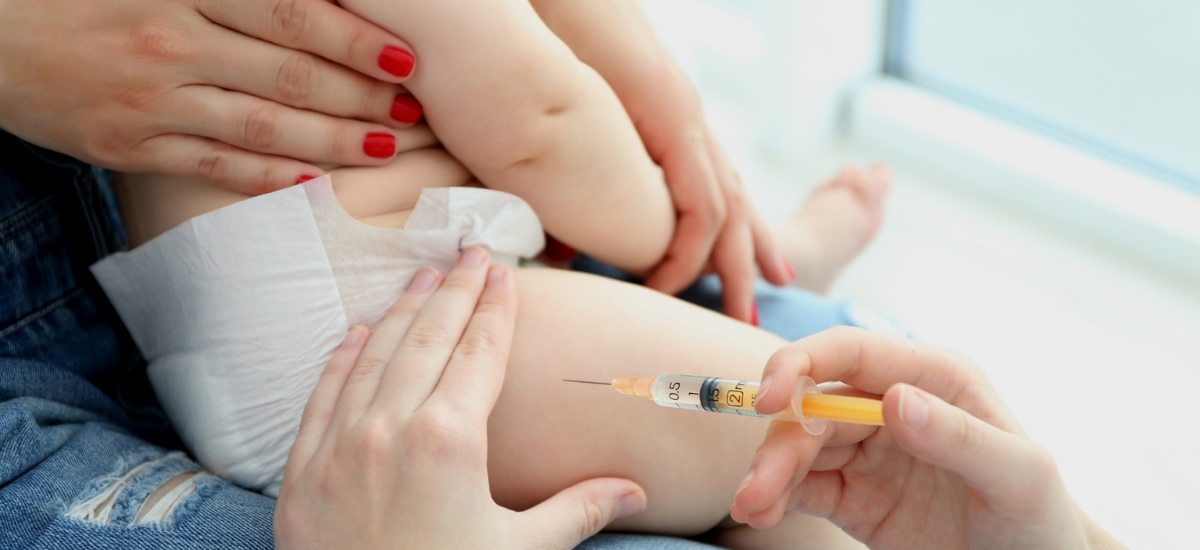
Fever is a common reaction in babies following vaccinations, including those administered under the National Childhood Immunisation Schedule (NCIS) in Singapore. While it can be concerning for parents, post-vaccination fever is typically mild and a sign that the body is building immunity.
Understanding how to manage this fever effectively can help ensure your baby remains comfortable and recovers quickly. Parents should be aware of what to expect, when to intervene, and when to seek medical advice if needed.
Why Do Babies Develop Fever After NCIS Vaccinations?
Vaccines work by stimulating the immune system to produce a protective response against harmful diseases. As a result, mild side effects such as fever, redness at the injection site, and irritability are common. These symptoms usually appear within 24 to 48 hours after the shot and resolve within a few days.
Certain children NCIS vaccinations, such as the DTaP (diphtheria, tetanus, and pertussis) and pneumococcal vaccines, are more likely to cause a mild fever. Other vaccines, like the MMR (measles, mumps, and rubella) vaccine, may cause a delayed fever about 5 to 12 days after administration. Understanding these patterns can help parents anticipate and manage post-vaccination symptoms more effectively.
How to Manage Fever at Home
Monitor Temperature Regularly
Checking your baby’s temperature is the first step in managing fever. A rectal thermometer provides the most accurate readings for infants under three months, while ear or forehead thermometers can be used for older babies.
A mild fever (between 37.5°C and 38.5°C) usually does not require medication and can be managed with comfort measures. However, if your baby’s temperature rises above 38.5°C, additional intervention may be needed.
Ensure Proper Hydration
Fever can lead to fluid loss, so it’s essential to keep your baby well-hydrated. Continue breastfeeding or offering formula as usual. If your baby is older than six months, small amounts of water may also be given. Signs of dehydration include fewer wet diapers, dry lips, and excessive fussiness.
Dress Your Baby Comfortably
Overdressing can trap heat and worsen fever. Dress your baby in light, breathable clothing and keep the room temperature cool. A well-ventilated room with a fan or air-conditioning can help regulate body temperature without making your baby uncomfortable.
Use Fever-Reducing Medication if Needed
If your baby seems uncomfortable or has a fever above 38.5°C, you may give infant paracetamol as directed by your doctor. Always use the correct dosage based on your baby’s weight and age. Avoid using ibuprofen for babies under six months unless advised by a doctor, and never give aspirin to children due to the risk of Reye’s syndrome.
Apply Cool Compresses
A lukewarm sponge bath or placing a cool, damp cloth on your baby’s forehead can help bring down fever gradually. Avoid using cold baths or ice packs, as they can cause shivering, which may raise the body temperature further.
When to Seek Medical Attention
While fever after children NCIS vaccinations is generally mild and short-lived, there are situations where medical attention is necessary. You should consult a doctor if:
- Your baby is younger than three months and has a fever above 38°C.
- The fever persists for more than 48 hours or worsens instead of improving.
- Your baby has a high fever above 39°C, is lethargic, or difficult to wake up.
- There are signs of a severe allergic reaction, such as difficulty breathing, swelling of the face, or persistent vomiting.
- Your baby has a seizure (febrile convulsion) associated with the fever.
Preventing Discomfort After Vaccinations
Although fever is a natural response to immunisation, there are ways to minimise discomfort before and after the vaccination.
Plan Vaccinations at the Right Time
If possible, schedule vaccinations for a time when you can closely monitor your baby for the next 24 to 48 hours. Avoid planning them just before a long trip or important event.
Keep Your Baby Calm and Comforted
Vaccination appointments can be stressful for babies, leading to fussiness even if they don’t develop a fever. Holding, cuddling, and breastfeeding your baby immediately after the shot can provide reassurance and comfort.
Know Which Vaccines May Cause Fever
Some vaccines have a higher likelihood of causing fever than others. If your baby has previously experienced a strong reaction, discuss with your doctor whether fever-reducing medication should be given preemptively.
Conclusion
Managing fever after NCIS immunisations is a normal part of ensuring your baby builds immunity against serious diseases. Most post-vaccination fevers are mild and resolve within a couple of days with proper care. Keeping your baby hydrated, dressing them comfortably, and using fever-reducing methods when needed can help ensure a smooth recovery.
However, parents should remain vigilant and seek medical advice if the fever is prolonged, extremely high, or accompanied by concerning symptoms. By staying informed and prepared, you can ensure that your baby’s immunisation journey is as comfortable and safe as possible.
