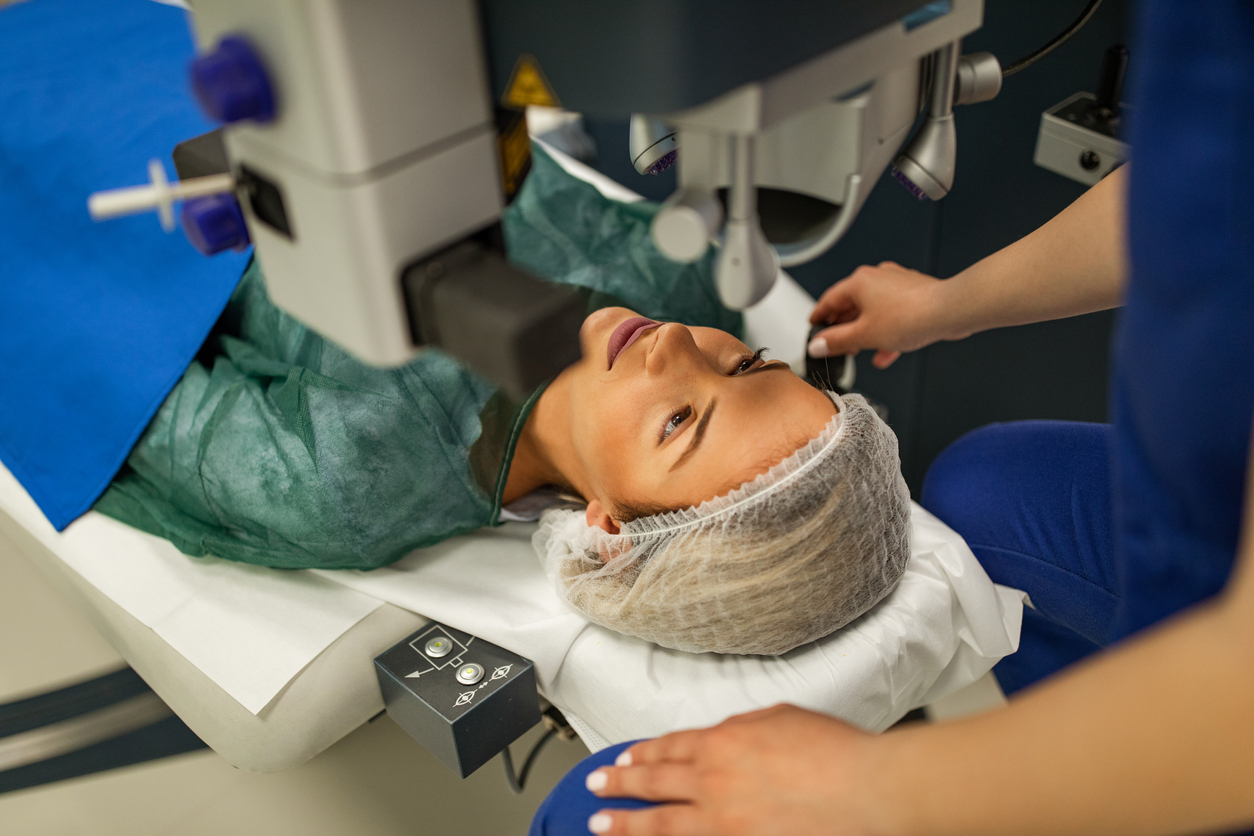
Laser eye surgery, particularly procedures like LASIK and PRK, has gained significant popularity as a solution for those seeking to correct vision problems such as nearsightedness, farsightedness, and astigmatism. Despite its widespread success and high patient satisfaction rates, many myths and misconceptions about laser eye surgery persist. These misunderstandings can cause potential candidates to hesitate or even avoid seeking the procedure. In this article, we aim to debunk some of the most common myths about laser eye surgery and provide accurate information to help you make an informed decision.
1. Laser Eye Surgery is Painful
One of the most widespread myths about laser eye surgery is that it is a painful procedure. The reality is quite the opposite. During the surgery, the eyes are numbed using special eye drops, ensuring that you won’t feel any pain. While you may experience some pressure on your eyes, it should not cause discomfort. Most patients report that the procedure is relatively quick, lasting only about 15 to 30 minutes, and they often experience only mild discomfort after the procedure. This can include a gritty or dry sensation in the eyes, but these symptoms usually subside within a few hours or days.
2. Laser Eye Surgery is Only for Younger People
Many people believe that laser eye surgery is only suitable for younger individuals with relatively stable vision. While it is true that younger patients tend to experience faster recovery times and more predictable results, age is not a strict barrier to laser eye surgery. As long as a patient’s eyes have stopped changing (usually around the age of 18) and their prescription is stable, they can be a candidate for the procedure. Additionally, older individuals who experience age-related conditions such as presbyopia (difficulty focusing on close objects) may still benefit from the surgery, although they might need to explore alternative options like monovision or reading glasses after the procedure.
3. Laser Eye Surgery Can Fix All Vision Problems
While laser eye surgery is effective for correcting common refractive errors such as nearsightedness, farsightedness, and astigmatism, it cannot correct every type of vision problem. For example, laser eye surgery does not treat issues such as presbyopia (the gradual loss of the eye’s ability to focus on near objects) or cataracts (clouding of the eye’s natural lens). Additionally, people with certain eye conditions such as severe dry eyes, thin corneas, or other significant eye health problems may not be suitable candidates for the surgery. A thorough eye examination by an experienced ophthalmologist is crucial to determine whether laser eye surgery is appropriate for your specific vision needs.
4. The Results of Laser Eye Surgery Are Not Permanent
Another common myth is that the results of laser eye surgery are temporary, meaning patients will eventually need to undergo the procedure again. This is not accurate. Laser eye surgery offers long-lasting results, and the majority of patients experience improved vision for years or even for life. However, it’s important to note that the natural aging process of the eye can affect vision over time. Conditions like presbyopia, which typically develop in your 40s and 50s, may require reading glasses after laser surgery, but this is unrelated to the success of the initial procedure. In some cases, an enhancement procedure may be needed, but this is not common and is only recommended when there is a significant change in vision.
5. Laser Eye Surgery is Dangerous and Can Cause Blindness
This myth is perhaps one of the most concerning, yet it is completely unfounded. Laser eye surgery is an incredibly safe procedure, with complication rates being extremely low. In fact, modern advancements in laser technology have made the procedure even safer and more precise. According to numerous studies, the success rate of laser eye surgery is over 95%, and most patients achieve 20/25 vision or better. Serious complications, such as permanent vision loss, are incredibly rare. Like any surgical procedure, there are risks involved, but they are minimal and can be minimized by choosing a highly skilled and experienced surgeon.
6. You’ll Need to Take Time Off Work for a Long Recovery
Many people fear that laser eye surgery requires a lengthy recovery period, causing them to put off the procedure. In reality, most patients experience a very quick recovery, with many returning to work and normal activities within 24 to 48 hours. Immediately after the surgery, your vision may be blurry, and you might feel some dryness or discomfort in your eyes, but these symptoms typically resolve within a few days. While it’s important to follow post-operative instructions, such as using prescribed eye drops and avoiding strenuous activities, most people resume their regular routines without significant interruption.
7. Laser Eye Surgery is Only for People with Severe Vision Problems
Some people believe that only individuals with severe vision problems, such as very high prescriptions, can benefit from laser eye surgery. However, laser eye surgery is effective for a wide range of refractive errors, from mild to moderate cases. In fact, the majority of people who seek laser eye surgery have mild to moderate prescriptions. Whether you have nearsightedness, farsightedness, or astigmatism, you may be a candidate for the procedure. The procedure can help reduce or eliminate your dependence on corrective lenses, regardless of the severity of your vision problem.
8. Laser Eye Surgery Requires a Lot of Post-Operative Care
Another misconception is that laser eye surgery requires constant follow-up care and monitoring after the procedure. While it’s important to attend follow-up appointments to ensure that your eyes are healing properly, the overall post-operative care is quite simple. Most patients only need to use prescribed eye drops for a short period and avoid rubbing their eyes. You may also need to wear protective eyewear during sleep for a few nights, but these measures are minimal compared to the time and effort involved with glasses or contact lenses.
9. Everyone Is a Candidate for Laser Eye Surgery
While laser eye surgery has a high success rate and can be beneficial for many people, it is not suitable for everyone. Certain conditions, such as severe dry eye syndrome, thin corneas, or other eye health issues, can disqualify individuals from being candidates for the procedure. A detailed consultation with an ophthalmologist is necessary to determine if you are a suitable candidate. The best candidates are those who are in good health, have stable vision for at least a year, and have realistic expectations about the outcomes of the surgery.
10. Laser Eye Surgery Is Expensive and Not Worth the Cost
While the upfront cost of laser eye surgery can seem significant, many patients find that the long-term savings on glasses, contact lenses, and related accessories make the procedure a worthwhile investment. When you factor in the ongoing cost of prescription lenses and the inconvenience of wearing them, laser eye surgery can save you money in the long run. Many clinics offer financing options to make the procedure more affordable, and the benefits—clearer vision and the freedom from corrective lenses—often outweigh the initial expense.
Final Words
Laser eye surgery has proven to be a safe and effective option for individuals seeking to improve their vision. By debunking these common myths, it is clear that the procedure offers numerous benefits, from quick recovery times to long-lasting results. If you are considering laser eye surgery, consult with a qualified ophthalmologist to learn more about how this procedure can improve your vision and quality of life. With accurate information and proper guidance, you can make a well-informed decision that aligns with your needs and expectations.
