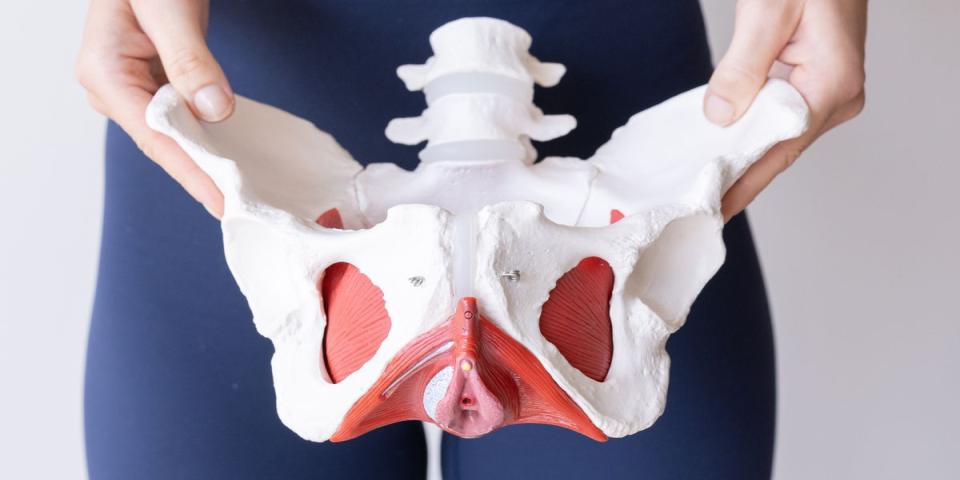
Most of us learn about the pelvic floor the hard way. A sneeze in the queue at the hawker centre, a laugh that goes on a beat too long, a jog that ends with a quick detour home. The muscles at the base of the pelvis work quietly for years, holding up the bladder and closing it on command, and we only notice them once they start to slip.
The usual advice is to do your Kegels, and that advice is not wrong. It is just incomplete. Exercises only work if you do them correctly and keep doing them, and that is where many people quietly stall. This is why some turn to passive options, such as emsella treatment in Singapore, which uses focused electromagnetic energy to contract the pelvic floor while you sit fully clothed. Before choosing any route, though, it helps to understand what your muscles actually need.
What the Pelvic Floor Actually Does
Think of it as a hammock of muscle slung between the pubic bone and the tailbone. It supports the bladder and bowel, and in women, the uterus. It also works as a valve, tightening when pressure rises and relaxing when you need to go.
That second job is usually the first to falter. When you cough, pressure in your abdomen spikes in a fraction of a second. A strong pelvic floor tightens just before it lands. A tired one tightens late, or not hard enough, and a little urine escapes. Childbirth, ageing, heavy lifting and long-term constipation can all wear the hammock thin.
Not All Leaks Are the Same
This is the part most guides skip. There are a few common patterns, and they behave differently.
- Stress leaks happen with effort, such as coughing, sneezing, jumping or lifting.
- Urge leaks arrive with a sudden, strong need to go, often with little warning.
- Mixed leaks are a blend of both, and they are common.
Stress leaks are mostly a problem of strength and timing, so building the muscle tends to help. Urge leaks also involve how the bladder sends its signals, so strength alone may not settle them. Knowing which pattern you have shapes every decision that follows.
The Trouble With Kegels
On paper, Kegels are perfect. They are free, private and can be done at a traffic light. In practice, they are surprisingly easy to get wrong. Many people squeeze their buttocks, hold their breath, or push down instead of lifting up. Repeat that every day and you train the wrong habit.
The second problem is consistency. Muscle responds to steady work over weeks and months, and pelvic floor work offers no mirror and no visible progress. Most people drift away long before results arrive. None of this means exercises fail. It means they need checking, and they need a plan you will actually keep.
Where Passive Treatment Fits
Passive treatments remove the guesswork about technique. Instead of you hunting for the right muscle, the device contracts it for you, thousands of times, during a session of around half an hour. There is no undressing and no recovery time, so it fits around a working day.
The trade-off is simple. A machine can build strength, but it cannot teach you to brace before a sneeze or change the way you lift your shopping. Think of it as a strong start, or a helpful partner to exercise, rather than a replacement for good daily habits. Results also vary from person to person, depending on how severe your symptoms are and what you do between sessions.
A Simple Rule for Choosing
Here is a rule worth keeping. Match the treatment to the leak, and get assessed before you commit.
If your leaks are mild to moderate and come mostly with effort, strengthening is the main job, whether through guided exercise, passive treatment, or both together. If urgency is the main feature, ask about bladder habits and other causes as well. Some situations call for a doctor first, including severe or sudden leaks, pain, blood in the urine, a feeling of heaviness or bulging, a current urine infection, pregnancy, or recent pelvic surgery. Passive devices are also unsuitable for people with a pacemaker or metal implants near the pelvis.
Small Habits That Protect Progress
Whatever route you take, a few everyday habits help the muscles hold on to their gains.
Drink steadily through the day rather than in big rushes. Try not to visit the toilet just in case, which can teach the bladder to call early. Deal with constipation, since straining loads the pelvic floor. And before you lift something heavy, breathe out and gently draw the pelvic floor up first.
The pelvic floor does not need heroics. It needs the right kind of work, done correctly and kept up. Know your leak, check your technique, choose a tool that fits your life, and give it time. For most people who take it seriously, the sneeze in the queue becomes, once again, just a sneeze.
