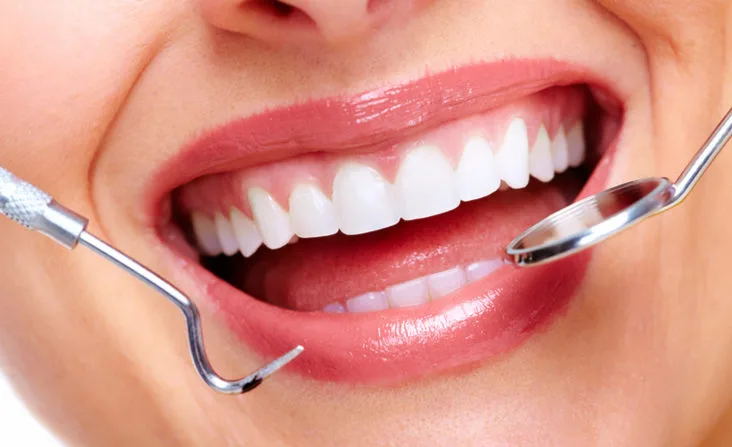
A smile is one of the most prominent features of human expression, serving as a primary focal point during social, professional, and personal interactions. While traditional dentistry focuses almost exclusively on diagnosing, preventing, and treating oral diseases, cosmetic dentistry addresses the aesthetic balance and structural appearance of the teeth and gums. Recent technological breakthroughs in dental materials, digital imaging, and minimally invasive techniques have made cosmetic enhancements highly accessible, precise, and durable.
However, the sheer volume of available aesthetic procedures can feel overwhelming for anyone considering a smile transformation. Choosing the ideal treatment requires an understanding of your personal goals, your current oral health status, and the specific structural modifications each procedure entails. This comprehensive guide serves as an analytical roadmap to help you navigate your options and make an informed decision in partnership with your dental professional.
Evaluating Your Aesthetic Goals and Baseline Oral Health
Before reviewing individual procedures, you must conduct a thorough self-evaluation of your smile. Cosmetic flaws generally fall into four distinct categories: coloration issues, structural alignment problems, spacing anomalies, and dimensional irregularities. Identifying the precise combination of these factors will help you target the most efficient treatment pathway.
Furthermore, it is critical to recognize that a successful cosmetic transformation is entirely dependent on a healthy physical foundation. Issues like active periodontal disease, deep dental decay, root canal infections, or severe bruxism must be fully resolved before any elective aesthetic enhancements can begin. Placing cosmetic restorations over compromised structural foundations will inevitably lead to premature failure, financial loss, and severe discomfort.
Direct In-Office and Take-Home Teeth Whitening
For individuals whose primary concern is superficial staining or a generally darkened smile, professional teeth whitening represents the most efficient, non-invasive starting point. Over time, factors such as tobacco use, aging, and the routine consumption of dark pigments from coffee, tea, and red wine cause extrinsic and intrinsic discoloration of the tooth enamel.
Professional bleaching differs dramatically from over-the-counter options in both chemical concentration and safety. In-office treatments utilize highly concentrated hydrogen peroxide or carbamide peroxide gels, which are frequently activated by specialized light systems to accelerate the oxidation process. This procedure can lift a smile by several shades in a single hour-long appointment.
For patients who prefer a gradual transformation, dentists can fabricate custom-fitted trays that hold professional-grade bleaching agents snugly against the teeth, minimizing the risk of gum tissue irritation and ensuring uniform, bright results over a period of two weeks.
Dental Bonding for Minor Structural Deficiencies
When a smile exhibits minor imperfections like small chips, localized fractures, slight gaps, or asymmetrical tooth lengths, composite dental bonding offers a fast, conservative, and cost-effective remedy.
During this single-visit procedure, the dentist prepares the surface of the tooth with a mild etching solution to facilitate a strong mechanical bond. They then apply a flexible, tooth-colored composite resin material directly to the tooth, meticulously sculpting the material to match the natural contours of the surrounding dentition. Once the desired shape is achieved, a high-intensity curing light hardens the resin instantly. The tooth is then polished to a high sheen, matching the light-reflective properties of natural enamel.
-
Minimal Tooth Alteration: Bonding requires virtually no removal of healthy tooth structure, preserving maximum natural tooth integrity.
-
Immediate Outcomes: The entire process is completed in one visit, eliminating the need for temporary restorations or laboratory waiting periods.
-
Reversibility: Because the underlying enamel remains completely intact, the procedure can easily be updated or modified in the future.
Porcelain Veneers for Comprehensive Transformations
For individuals seeking a complete smile redesign to correct moderate to severe discoloration, misshapen teeth, visible gaps, or minor misalignment, porcelain veneers represent the gold standard of cosmetic dentistry. Veneers are ultra-thin, custom-fabricated shells of dental ceramic that are permanently bonded to the front surfaces of the teeth.
The process of receiving veneers typically requires two to three appointments. During the preparation phase, the dentist removes a minuscule layer of enamel, usually measuring less than a millimeter, from the front of the tooth to prevent the final restoration from looking bulky or unnatural. The dentist then takes high-definition digital impressions, which are sent to a specialized dental laboratory where a master ceramist handcrafts each veneer to match the ideal translucency, shape, and hue of the patient’s smile.
Porcelain is highly prized in cosmetic dentistry due to its exceptional resistance to permanent staining and its ability to replicate the complex way natural tooth structure reflects light. With meticulous oral hygiene and routine professional maintenance, porcelain veneers can easily sustain their structural integrity and vibrant appearance for well over a decade.
Porcelain Crowns for Broken or Compromised Teeth
While veneers cover only the front face of a tooth, a dental crown encapsulates the entire visible structure above the gumline. Crowns bridge the gap between cosmetic enhancement and restorative durability, making them the ideal choice for teeth that have suffered significant structural damage from large cavities, severe fractures, or root canal therapies.
Modern cosmetic crowns are fabricated entirely from advanced dental ceramics like zirconium oxide or lithium disilicate. These materials possess immense structural strength, capable of enduring the intense biting forces exerted by the molars, while maintaining a completely lifelike appearance free of the dark metal margins often associated with older metal-ceramic crowns. A crown restores full functional capacity to a damaged tooth while seamlessly blending into the rest of the smile aesthetic.
Clear Aligner Therapy for Structural Realignment
If your primary aesthetic frustration stems from crowded teeth, rotating elements, or complex bite abnormalities, orthodontic intervention is mandatory. For adults who wish to avoid the conspicuous appearance and physical discomfort of traditional metal brackets and wires, clear aligner systems offer a highly sophisticated alternative.
Clear aligner therapy utilizes a sequential series of custom-molded, transparent plastic trays to apply continuous, controlled physical pressure to the teeth, gradually shifting them into their optimal alignment. The aligners are virtually invisible during daily conversations and are fully removable, allowing patients to brush, floss, and eat without the dietary restrictions imposed by traditional braces.
Achieving a successful outcome requires disciplined compliance, as the trays must be worn for at least twenty-two hours per day to maintain continuous progress.
Dental Implants for Permanent Tooth Replacement
No smile transformation can be considered complete if there are visible gaps left by missing teeth. Missing dentition causes adjacent teeth to drift out of alignment, accelerates the breakdown of the jawbone, and alters the overall facial profile over time. Dental implants offer the most permanent, biochemically sound solution for tooth replacement.
An implant consists of a small titanium post that a specialized dental surgeon places directly into the jawbone beneath the empty space. Over a period of several months, a biological process known as osseointegration occurs, wherein the living bone tissue fuses permanently with the titanium surface, treating it like a natural tooth root. Once this anchor is fully stable, a cosmetic porcelain crown is attached via an intermediate abutment. The resulting restoration looks, feels, and functions exactly like a natural, healthy tooth, preventing bone loss and completing the smile framework.
Frequently Asked Questions
How long do porcelain veneers typically last before they need to be replaced?
Porcelain veneers are highly durable but are not considered permanent. On average, well-maintained porcelain veneers last between ten and fifteen years. To maximize their lifespan, you must avoid habits that place excessive structural stress on the ceramic, such as chewing on ice, biting fingernails, opening packaging with your teeth, or neglecting routine professional dental cleanings.
Does the application of cosmetic dental crowns require the use of local anesthesia?
Yes, local anesthesia is standard protocol during the preparation phase of a dental crown. The dentist numbs the specific tooth and the surrounding gum tissue to ensure you feel absolutely no discomfort while the tooth is being shaped to accommodate the ceramic crown. Once the anesthesia wears off, some mild, temporary sensitivity is normal and can be managed with over-the-counter anti-inflammatory medications.
Why cannot professional teeth whitening change the color of existing dental bonding or crowns?
Professional bleaching agents are formulated to penetrate the porous crystalline structure of natural tooth enamel to oxidize organic stain molecules. Synthetic dental materials, such as the composite resins used in bonding and the ceramics used in crowns or veneers, are completely non-porous and chemically inert to peroxide gels. If you plan to whiten your teeth, you must undergo the bleaching process prior to having dental restorations placed so the dentist can match the ceramic to your newly brightened enamel.
Can clear aligners correct severe structural bite issues like profound underbites?
Clear aligners are exceptionally effective for mild to moderate crowding, spacing issues, and minor bite misalignments. However, severe skeletal bite abnormalities, such as profound underbites, severe overbites, or complex crossbites, frequently demand traditional orthodontic brackets or corrective orthognathic jaw surgery to achieve proper structural and functional alignment.
What is the primary cause of temporary tooth sensitivity after a teeth whitening procedure?
Whitening gels temporarily open the microscopic pores within the tooth enamel, known as dentinal tubules, allowing the bleaching agent to access the inner layers of the tooth. This process can expose the underlying nerve endings to temperature fluctuations and airflow, resulting in brief flashes of sensitivity. This effect is entirely temporary and typically subsides within forty-eight hours, and can be mitigated by using desensitizing toothpastes containing potassium nitrate.
How does a dentist determine if a patient is a suitable candidate for dental implants?
A dentist determines suitability by evaluating the patient’s systemic health and assessing the density of the jawbone using three-dimensional cone-beam computed tomography scans. Adequate bone volume is mandatory to support the titanium post. If a patient presents with insufficient bone structure due to long-term tooth absence, a preliminary bone grafting procedure can often be performed to rebuild the site before the implant is placed.
Is composite dental bonding highly prone to chipping compared to porcelain options?
Composite resin is a softer material than dental porcelain or natural enamel, making it more susceptible to chipping under heavy impact or localized biting forces. Bonding is highly ideal for low-impact areas like the edges of the front teeth or small non-functional gaps. For major structural repairs or individuals who experience involuntary nighttime teeth grinding, porcelain restorations provide significantly better long-term durability.
