Why the Pilates Reformer is Winning Over Singapore’s Wellness Enthusiasts
In recent years, the pilates reformer has become a staple in Singapore’s most forward-thinking fitness studios. This unique apparatus, originally designed by Joseph Pilates, is revolutionising how Singaporeans approach strength training, flexibility, and injury prevention. Its growing popularity is no accident — it combines controlled movement with spring-based resistance to deliver a full-body, low-impact workout that suits every fitness level.
As the local fitness scene matures, more individuals are seeking intelligent movement over high-impact cardio or heavy lifting. The reformer, with its versatile setup and sophisticated design, fits seamlessly into that shift. Whether you’re recovering from injury, looking to complement your strength training, or seeking a mindful workout, the Pilates reformer offers a dynamic and holistic approach.
Boutique studios like Yoga Edition have embraced the reformer’s potential by offering curated classes that balance challenge with precision, making it accessible and effective for all.
What is a Pilates Reformer?
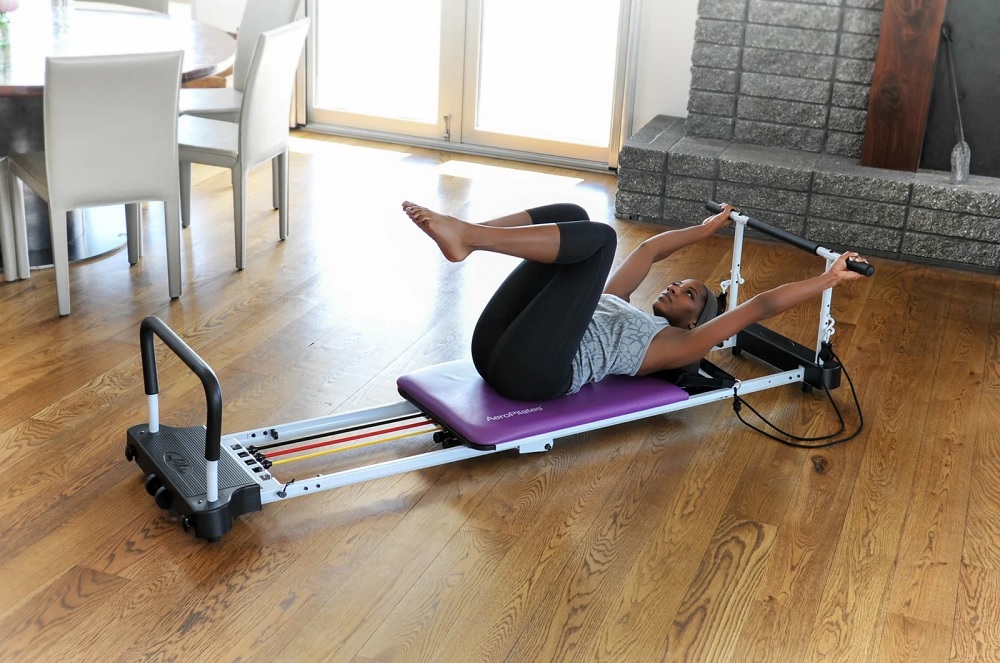
The Pilates reformer is a flat carriage that glides back and forth along tracks inside a frame. It’s equipped with springs that offer varying resistance, footbars for pushing, straps for pulling, and headrests for comfort. This design enables a wide range of motion that targets every muscle group.
Unlike traditional mat Pilates, which relies on body weight, the reformer introduces spring tension and machine-assisted movements. This results in a controlled, yet highly customisable workout where exercises can be modified for intensity, range, and purpose.
The Benefits of Reformer Training
- Improved Core Strength
Every reformer movement begins from the centre. It recruits deep stabilising muscles — especially the transverse abdominis — to support spinal alignment and pelvic control.
- Injury Prevention and Rehabilitation
Physiotherapists in Singapore often recommend reformer Pilates for recovery and injury prevention. The machine allows non-weight-bearing exercises and progressive resistance, making it ideal for post-operative or chronic pain clients.
- Enhanced Flexibility and Mobility
With guided ranges of motion and spring-assisted lengthening, the reformer helps increase flexibility while maintaining muscular control.
- Postural Alignment
Modern life leads to poor posture — forward head position, rounded shoulders, and tight hips. The reformer’s design and programming correct these imbalances through focused movement.
- Balanced Muscle Development
Because exercises work muscles both concentrically and eccentrically, the reformer ensures strength is built in a functional and sustainable way, avoiding dominant-muscle overuse.
Who Can Benefit From the Reformer?
The reformer is suitable for all age groups and fitness levels:
- Office Workers: Improve posture, reduce neck/back pain.
- Athletes: Enhance performance through mobility and neuromuscular control.
- Seniors: Improve balance, coordination, and joint health.
- Pregnant/Postnatal Women: Build pelvic floor strength safely with support.
The key lies in proper instruction. Studios like Yoga Edition employ certified instructors who guide practitioners based on their needs, whether you’re looking for athletic conditioning or therapeutic care.
The Studio Experience in Singapore
Singapore boasts a rapidly growing number of boutique Pilates studios, many of which offer reformer classes as their centrepiece. These studios often provide a premium experience — small class sizes, serene interiors, and tailored programming.
Yoga Edition stands out for its community-oriented space and expertise in guiding clients of all levels. Its commitment to individual progress and intelligent movement attracts a wide demographic — from busy professionals in the CBD to new mothers in recovery.
Reformer Pilates vs. Traditional Strength Training
While weights isolate and overload muscles, reformer Pilates integrates strength, mobility, and stability in one cohesive system. You’re not just working harder — you’re moving smarter.
| Training Style | Focus | Injury Risk | Accessibility |
| Traditional Gym Training | Load-bearing, hypertrophy | Medium-High | Requires experience |
| Pilates Reformer | Stability, control, functional strength | Low | Beginner-friendly |
This is why many in Singapore are adding reformer sessions to their weekly routines, often replacing or reducing their gym time without sacrificing results.
Real Stories from Singapore
Lena, a 34-year-old HR manager, shares: “I struggled with tight hips and poor posture from long hours at my desk. After two months on the reformer, my back pain has reduced significantly and I feel taller.”
Bryan, a 45-year-old runner, found that weekly reformer classes improved his hamstring flexibility and helped resolve recurring knee pain. “My stride is stronger and more aligned. I now recommend it to my entire running group.”
Starting Your Reformer Journey
If you’re curious but unsure, follow these steps to begin confidently:
Step 1: Book a Trial Class
Most studios offer an introductory session. This allows you to understand the machine, meet instructors, and try beginner-friendly exercises.
Step 2: Consult With an Instructor
Discuss any injuries, limitations, or goals. Instructors may suggest one-on-one sessions before joining a group.
Step 3: Commit to Consistency
Like any discipline, Pilates rewards regular practice. Aim for 2–3 sessions per week to notice core strength, flexibility, and postural improvements.
Step 4: Wear the Right Attire
Fitted, breathable clothing helps instructors observe alignment. Avoid zippers or accessories that may catch on the machine.
Myths Debunked
- “Reformer Pilates is only for women”: False. Men, athletes, and bodybuilders benefit just as much, particularly in mobility and core engagement.
- “It’s too easy”: Reformer work can be deeply challenging — especially when performed with precision.
- “It replaces all workouts”: While comprehensive, reformer Pilates is best used in tandem with other forms of movement like cardio or walking.
Final Thoughts
The Pilates reformer is not just a piece of equipment — it’s a tool for smarter movement, holistic strength, and long-term body awareness. As Singaporeans seek more intelligent, injury-conscious workouts, the reformer continues to grow in relevance and appeal.
With expert guidance and a commitment to consistent practice, anyone can benefit from this transformative method. The result? A stronger, more connected, and pain-free version of yourself.
Frequently Asked Questions (FAQ)
Is the reformer suitable for absolute beginners?
Yes. The machine provides both support and challenge. Most studios, including Yoga Edition, offer beginner-friendly classes with detailed guidance.
How often should I practise to see results?
2–3 times a week is ideal. Within 4–6 weeks, most people report improved posture, flexibility, and core strength.
Can I do reformer Pilates if I have a past injury?
Definitely — but only under a qualified instructor. The reformer’s adaptable design is excellent for post-rehab conditioning.
How does it compare with gym workouts?
While both build strength, reformer Pilates adds the benefit of joint safety, core control, and flexibility, which traditional lifting may lack.
Do I need to be flexible to start?
No. In fact, reformer Pilates helps you become more flexible over time.
