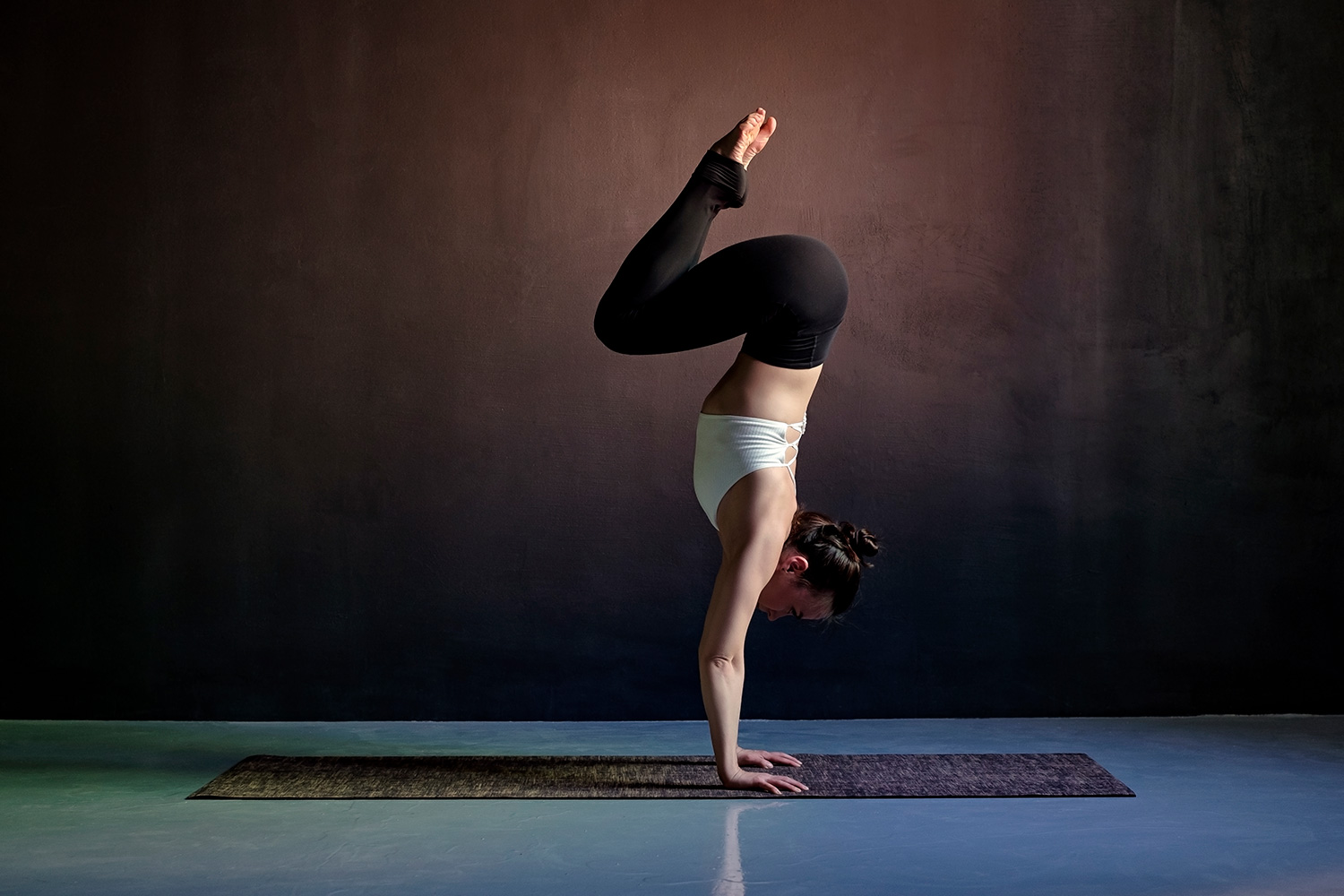
Vinyasa yoga has gained widespread popularity in Singapore not just for its flowing movements and rhythmic breathwork, but also for the deeper neurological benefits it offers. Unlike static yoga forms, Vinyasa engages the practitioner in dynamic transitions that challenge coordination, timing, and awareness. These qualities make it not only a powerful workout but also a potent brain-training discipline.
In particular, vinyasa yoga builds synchronisation between the mind and body—benefitting not just flexibility and strength, but also memory, focus, and motor skill development.
Understanding the Vinyasa Approach
At its core, Vinyasa yoga is a sequence-based practice where breath is synchronised with movement. Each pose transitions seamlessly into the next, creating a fluid dance that stimulates both the musculoskeletal and nervous systems. While it appears elegant and effortless, executing these transitions demands sharp mental presence and refined motor coordination.
Unlike isolated gym workouts that target single muscle groups, Vinyasa involves full-body integration. This requires the brain to engage in proprioception—the sense of body positioning in space—which sharpens spatial awareness and reaction time.
How the Brain Responds to Flow-Based Movement
Scientific research increasingly supports the notion that practices like Vinyasa yoga stimulate areas of the brain responsible for:
- Executive function: Planning, decision-making, and goal setting
- Neuroplasticity: The brain’s ability to form new neural connections
- Sensorimotor integration: Coordination between movement and sensory feedback
Each transition in a Vinyasa sequence engages both hemispheres of the brain. Left-brain logic plans the movement, while right-brain creativity adapts fluidly to each flow. Over time, practitioners report increased clarity, focus, and cognitive endurance.
Movement as Medicine: Vinyasa’s Role in Stress Regulation
In high-stress urban settings like Singapore, Vinyasa yoga offers an evidence-based method to calm the nervous system. The breath-to-movement connection activates the parasympathetic nervous system, which counters the body’s fight-or-flight responses.
As the brain shifts into a state of rest and digest, cortisol levels reduce, heart rate variability improves, and emotional resilience builds. The practice becomes a moving meditation—one that reduces anxiety while keeping the body engaged and energised.
Benefits on Brain Chemistry
- Endorphins are released during rhythmic movement, enhancing mood.
- Dopamine increases with consistent practice, improving motivation.
- GABA levels rise post-practice, which correlates with reduced anxiety.
These chemical shifts directly influence brain-body coherence, helping practitioners feel more connected and grounded after class.
Improving Memory and Learning Through Movement
Many modern-day professionals experience brain fog due to excessive screen time and sedentary habits. Vinyasa yoga offers an antidote by activating kinesthetic learning. As one learns sequences like Sun Salutations or Warrior Flows, the brain encodes patterns of movement.
Practising these patterns builds:
- Motor memory: The ability to perform sequences without conscious thought
- Procedural learning: Understanding by doing, rather than reading
- Cognitive mapping: The mental representation of spatial transitions
This is particularly useful for learners in fields requiring complex motor skills—such as musicians, surgeons, and athletes.
Enhancing Body Awareness and Balance
Balance poses like Tree, Warrior III, and Half Moon are staples in many Vinyasa classes. These poses challenge the vestibular system and improve postural alignment. Each balance pose requires the brain to receive, process, and respond to information from joints, muscles, and visual inputs.
With time, students develop:
- Improved core strength
- Greater joint stability
- Enhanced reaction time to instability
As practitioners become more aware of their body’s micro-adjustments, their ability to prevent injury and maintain posture throughout the day improves.
Vinyasa Yoga for All Ages
While often seen as a vigorous style, Vinyasa sequences can be tailored for various age groups and ability levels. For seniors or those recovering from injury, gentle flows offer a safe way to restore coordination and strength.
Children and teens also benefit from Vinyasa yoga. It enhances:
- Concentration in school settings
- Body confidence during puberty
- Healthy coping mechanisms for anxiety
Practising early on helps develop lifelong neural resilience and movement literacy.
Why Singaporeans Are Turning to Vinyasa Yoga
In Singapore’s fast-paced work culture, physical and cognitive burnout is common. More locals are embracing Vinyasa yoga as a dual remedy—something that strengthens the body while restoring mental clarity. Studios like Yoga Edition have made it more accessible with beginner-friendly classes that allow even first-timers to experience the brain-body synergy of flow.
Moreover, the tropical climate encourages indoor activities, making yoga a preferred option for regular movement without the discomfort of outdoor heat.
What to Expect in a Vinyasa Class
A typical Vinyasa yoga session includes:
- Breath-centred warm-ups to awaken the spine
- Standing sequences like Warriors and Triangles
- Balancing poses to challenge focus
- Core drills for stability
- Cool-down stretches to relax the nervous system
Instructors often theme their classes to cultivate intention—whether it’s grounding, opening, energising, or reflecting.
Building a Sustainable Practice
To maximise the brain-body benefits, consistency is key. Attending class 2–3 times a week helps embed muscle memory and improve neural pathways. It’s advisable to:
- Start with foundational classes before progressing
- Practise breathwork (pranayama) at home
- Stay hydrated and listen to the body
- Track your cognitive and physical improvements in a journal
Over time, you’ll likely notice better posture, faster learning, and an improved sense of mental calm.
FAQ – Real-Life Queries on Brain-Body Connection in Vinyasa
Q1: Can Vinyasa yoga help improve my focus at work?
Yes, many practitioners in Singapore find that after regular Vinyasa practice, they’re able to concentrate for longer periods, especially in high-pressure work environments.
Q2: I’m very clumsy. Will I struggle with coordination in class?
Everyone starts somewhere. Vinyasa improves coordination over time through repetitive and mindful movement. You’ll gradually feel more in control of your body.
Q3: Is it suitable for people recovering from neurological conditions?
While Vinyasa can benefit brain health, it’s important to consult a doctor or physiotherapist before starting if you have any underlying conditions.
Q4: How is brain activity during yoga different from during gym workouts?
Yoga, especially Vinyasa, engages both hemispheres of the brain in a more integrated manner due to the combination of breath, movement, and focus. Gym workouts often isolate muscle engagement.
Q5: Are there beginner-friendly Vinyasa classes in Singapore?
Yes. Studios like Yoga Edition offer beginner-friendly options that gently introduce sequencing and breathwork, making it accessible to all.
